
 201-597-9777
Most of us never expect to suddenly find ourselves in a hospital bed, or sitting in a car on the side of the road with our heart pounding, trying to make sense of what just happened. Yet the truth is, personal injury accidents occur every single day across the United States, and often at the most inconvenient, unexpected moments imaginable. And when they do, the very first thing people tend to do, sometimes before they even speak to a doctor, is search for a personal injury attorney online. Unfortunately, this means your website isn’t just an online brochure anymore. It is the first impression you make on people who are injured, stressed, confused, and unsure of what to do next. If your website fails to answer their questions, reassure them, and guide them forward, chances are, they will move on to someone else in seconds. Fortunately, an increasing number of personal injury lawyers recognize this, and many of them have invested time and effort into creating websites that genuinely help injured people get the answers they need the moment they need them. If you’re wondering what makes personal injury websites successful in 2026, simply read on.
What Should a Personal Injury Website Actually Do for Visitors?
A personal injury website should do more than list verdicts or brag about settlements. The best sites:
- answer real questions immediately
- explain what an injured person should do right now
- help visitors understand the claims process
- provide a clear path to contact the attorney
- make someone feel less alone
That being said, information without reassurance rarely converts a visitor into a client.
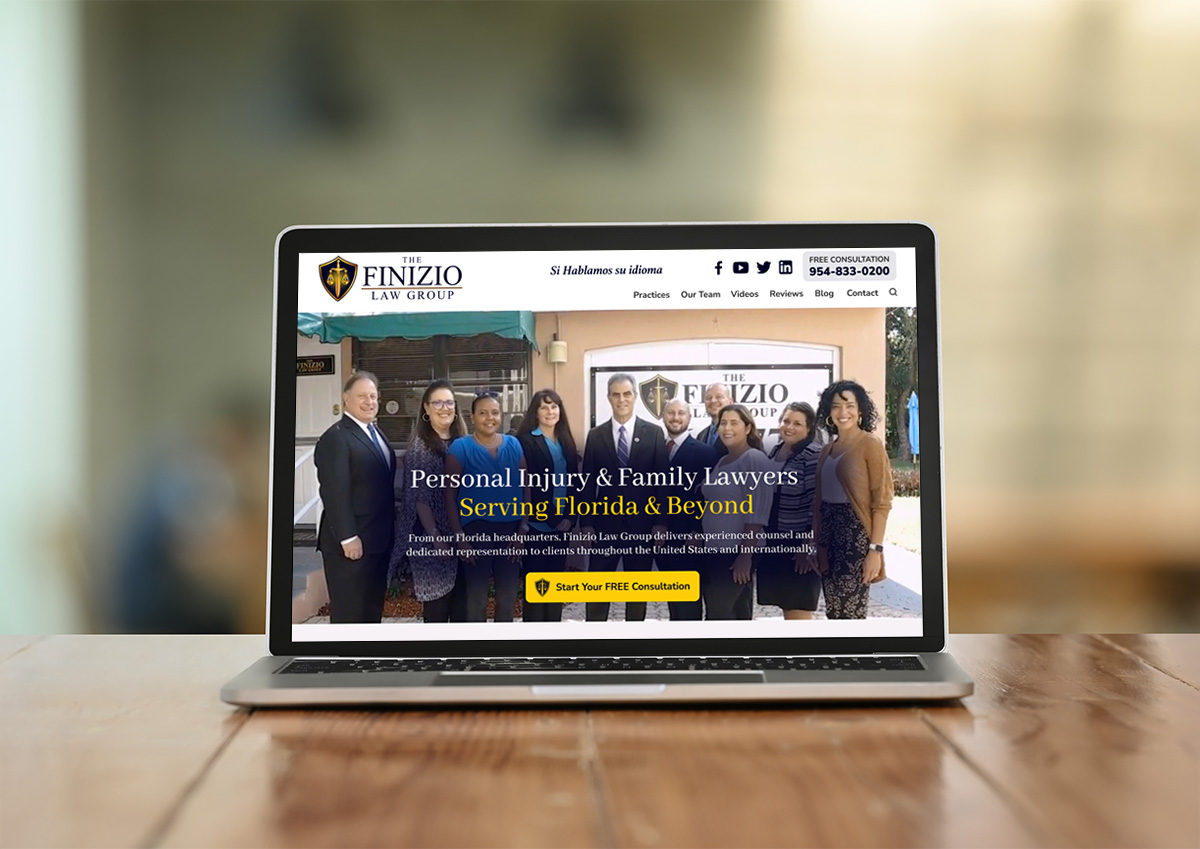
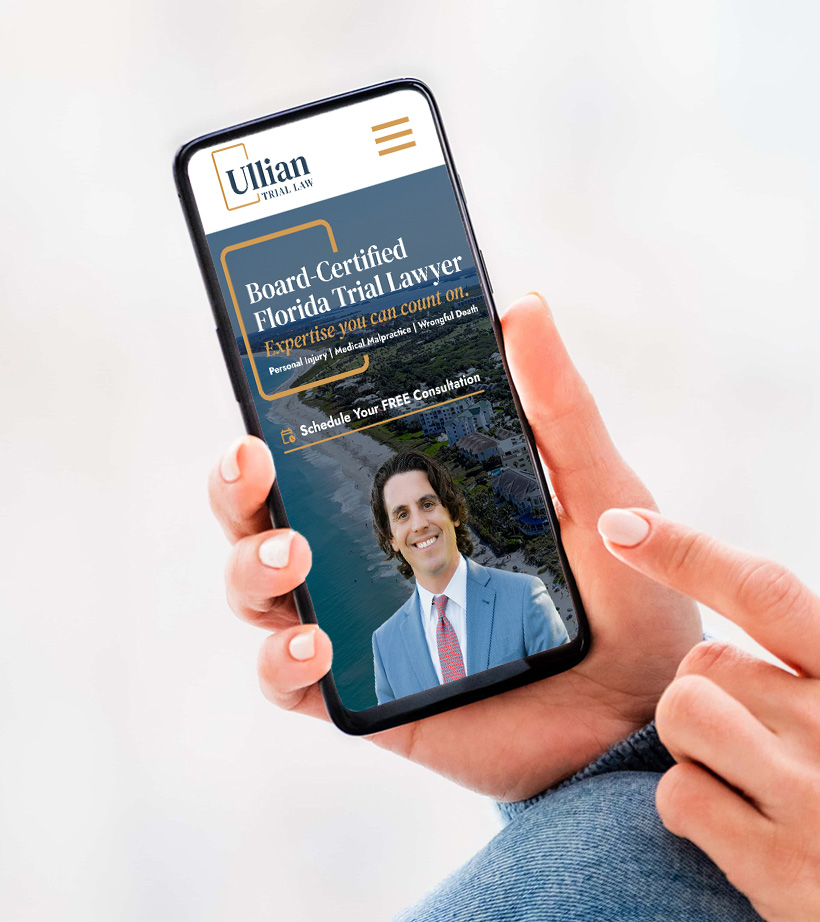
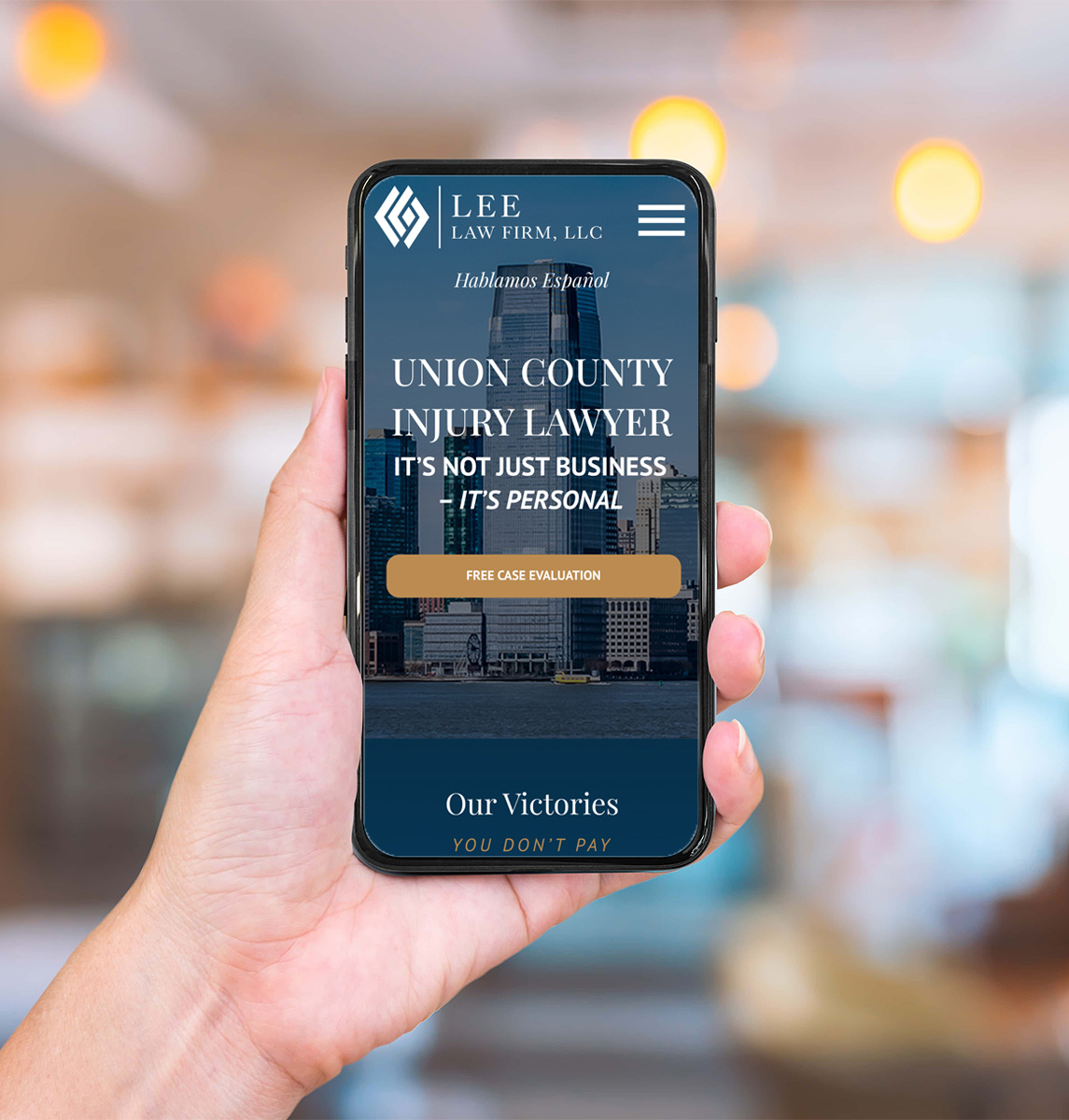
The Best Personal Injury Law Firm Website Designs in 2026





What Makes Personal Injury Websites Stand Out?
The sites that stood out to us at Accel Marketing Solutions this year:
- clearly explain injury types
- help visitors know what to do next
- include strong attorney bios
- provide multiple contact options
- load quickly on mobile
- include accessible design and structure
Some even include video introductions or quick consultation request tools that appear the moment a visitor lands on the page.
Why Compassionate Language Matters More Than Ever
It’s no secret that people searching for personal injury lawyers are often dealing with pain, anxiety, and medical uncertainty. Because of this, a website that sounds overly technical or emotionless may unintentionally make an injured person feel misunderstood or even discouraged.
The most successful personal injury websites speak directly to the visitor, acknowledge their worries, and explain complicated issues in plain English.
What Questions Should Your Website Answer Immediately?
People who are injured typically want answers to the same few questions. Websites that address these quickly tend to convert far more leads than those that bury answers behind legal jargon. For example:
- What should I do after an accident?
- Will the insurance company pay for my medical bills?
- How long will my case take?
- Do I need a lawyer?
- How much is my case worth?
When a website provides clear, reassuring answers to these questions, injured people feel more confident contacting that attorney.
How Should a Personal Injury Website Explain the Claims Process?
Visitors should understand:
- what the next steps are
- who investigates the accident
- how evidence is collected
- what damages may be available
- whether a trial is likely
A simple timeline or step-by-step explanation helps visitors visualize what happens next, rather than feeling lost or overwhelmed.
What Types of Content Help Most With AI Overview?
Websites that include the following tend to perform well in evolving Google surfaces, including AI-driven summary features:
- question-based headings
- short bulleted answers
- step-by-step instructions
- definitions of legal terms
- location-specific practice pages
- FAQs written in plain language
- practical “what to do” lists
- clear calls to action
These elements give search engines structured information that can be summarized easily and presented as helpful guidance.
Real Design Elements That Help Visitors Feel Comfortable
Effective personal injury websites in 2026 frequently use:
- calming colors
- real photos of attorneys (not stock images)
- simple menus
- readable fonts
- clear “contact now” buttons
When someone is recovering from an injury, the last thing they need is a confusing website layout filled with clutter and complicated navigation.
Why Accel Marketing Solutions Understands Personal Injury Websites
Here at Accel, we work closely with personal injury firms across the United States, and we understand how competitive this field is. Personal injury clients often compare several websites in just a few minutes, and if yours doesn’t feel trustworthy, empathetic, and informative right away, you may lose the opportunity entirely.
We help personal injury attorneys with:
- conversion-focused website design
- local SEO for cities and counties
- content that answers injury questions
- mobile performance
- injury-specific landing pages
- reviews and client testimonials
- branding and messaging
We believe a personal injury website should reassure visitors the moment they arrive.
Where Personal Injury Websites Are Headed Next
Looking forward, we expect more firms to incorporate:
- AI-ready structured content
- detailed FAQs
- short explanatory videos
- medical treatment guides
- insurance negotiation explanations
- instant consultation tools
As search continues to evolve, personal injury websites must become even more helpful, more human, and more responsive.
Thinking About Updating Your Personal Injury Website?
If you’re unsure whether your website is doing enough to convert online visitors into real consultations, Accel Marketing Solutions is here to help guide you through every step of the process. If you’re ready to move forward, all you have to do is reach out, and we will begin planning a site that reflects your experience, your dedication, and your commitment to helping injured individuals move forward.